

Future Trends Shaping the Next Generation of Smart TVs
Smart TVs no longer sit quietly in the living room waiting for a remote command. They have grown into central screens for entertainment, information, and daily habits. As viewing behavior shifts, expectations for these devices continue to stretch beyond basic streaming. People now want sharper visuals, smoother interaction, and systems that feel intuitive without constant tweaking. Manufacturers are responding with bold ideas that reshape how screens look, listen, and respond. The next generation of smart TVs reflects a blend of display science, artificial intelligence, and connected living. These developments aim to make viewing feel more fluid, personal, and responsive. Below are major trends driving how smart TVs will look, sound, and function in the years ahead.
Advanced Display Technologies
Display quality remains a primary focus, but the direction is changing. Mini-LED, MicroLED, and refined OLED panels are pushing brightness and contrast further while using energy more efficiently. Screens are becoming thinner with improved color accuracy and reduced glare. Higher refresh rates now support smoother motion for sports and gaming content. Resolution upgrades continue, yet the real shift lies in visual balance rather than raw pixel count. Future displays aim to feel easier on the eyes during long sessions. This evolution supports clearer detail in bright rooms and deeper blacks in low light, reshaping how people experience everyday viewing.
AI-Driven Picture and Sound Adjustment
Artificial intelligence is increasingly embedded into smart TV systems. These processors analyze content in real time, adjusting brightness, contrast, and sound output automatically. Instead of manual setting changes, the TV reacts to what appears on screen. Dialogue becomes clearer during movies, while background noise lowers during spoken scenes. Picture settings adapt to animation, live sports, or cinematic footage without interruption. AI also learns viewing habits over time, refining recommendations and interface layout. This adaptive behavior removes friction from the experience, allowing viewers to focus on content rather than controls.
Deeper Integration with Smart Homes
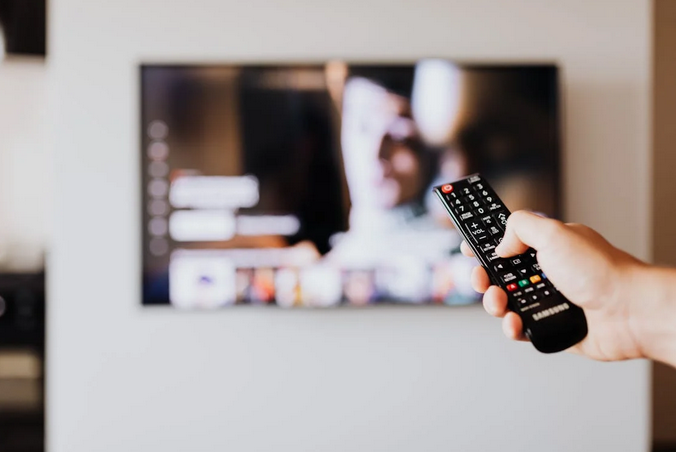
Smart TVs are becoming command centers rather than isolated devices. Integration with home lighting, speakers, cameras, and thermostats continues to expand. A television can now display doorbell feeds, adjust room lighting, or respond to voice prompts connected to household systems. This connectivity transforms the TV into a multifunction display for daily routines. Instead of switching between apps or devices, users interact through one screen. As ecosystems grow, smart TVs act as visual hubs that support convenience without overwhelming users with menus or alerts.
Personalized User Profiles and Interfaces
One screen often serves multiple people, and personalization is shaping how smart TVs handle this. Future models recognize different users through voice, remote pairing, or login profiles. Each profile presents preferred apps, content suggestions, and layout styles. This reduces clutter and speeds up access to favored shows or platforms. Interfaces are becoming cleaner, with fewer tiles and more relevant suggestions. Personalization also affects accessibility features such as text size and audio preferences. The result is a viewing experience that feels familiar each time the screen turns on, regardless of who is watching.
Gaming and Interactive Entertainment Focus
Gaming has shifted from consoles alone to integrated TV experiences. New smart TVs support cloud gaming platforms, reducing the need for external hardware. Faster response times, higher refresh rates, and improved motion handling support competitive play. Interactive content such as fitness programs, trivia, and live audience participation is also expanding. These features turn passive viewing into active engagement. As controllers, cameras, and motion tracking evolve, smart TVs become platforms for interaction rather than simple playback screens. Entertainment feels more participatory, especially for younger audiences and families.
The next generation of smart TVs is shaped by advances in display quality, artificial intelligence, home connectivity, personalization, and interactive entertainment. These trends move screens from passive devices to responsive companions in daily life. As technology progresses, smart TVs will continue blending clarity, convenience, and engagement, redefining how people watch, play, and connect through a single screen.…